Periodontics
How Can We Help
We provide expert dental care, ensuring healthy, bright, and confident.
Working Hours
Monday - Friday
9:00AM - 5:00PM*
Saturday & Sunday
Closed
* Lunch break: 1:00PM - 1:30PM
Healthy Gums Are the Cornerstone of a Healthy Smile
- When people think about dental health, they most commonly think about their teeth. Yet the gums and supporting bone structures that hold those teeth in place are equally — if not more important to long-term oral health. Without a healthy foundation, even the strongest, most well-cared-for teeth are at risk.
- Periodontics is the specialist branch of dentistry focused entirely on the health of the gums, the periodontal ligaments, and the underlying bone that supports your teeth. At Park Avenue Dental Care, our clinical team is experienced in the diagnosis, treatment and long-term management of all forms of gum disease. From the earliest stages of gingivitis through to more advanced periodontitis, using evidence-based techniques and a thorough, patient-centred approach.
What is Gum Disease and Why Does it Matter?
- Gum disease is one of the most prevalent chronic conditions in the world — and one of the most preventable. It is caused by the build-up of bacterial plaque along and beneath the gum line, triggering an inflammatory response in the surrounding tissue. Left untreated, this inflammation progressively destroys the soft tissue and bone that anchor the teeth, ultimately leading to tooth mobility and tooth loss.
- There are two primary stages of gum disease:
Gingivitis — The Early Stage
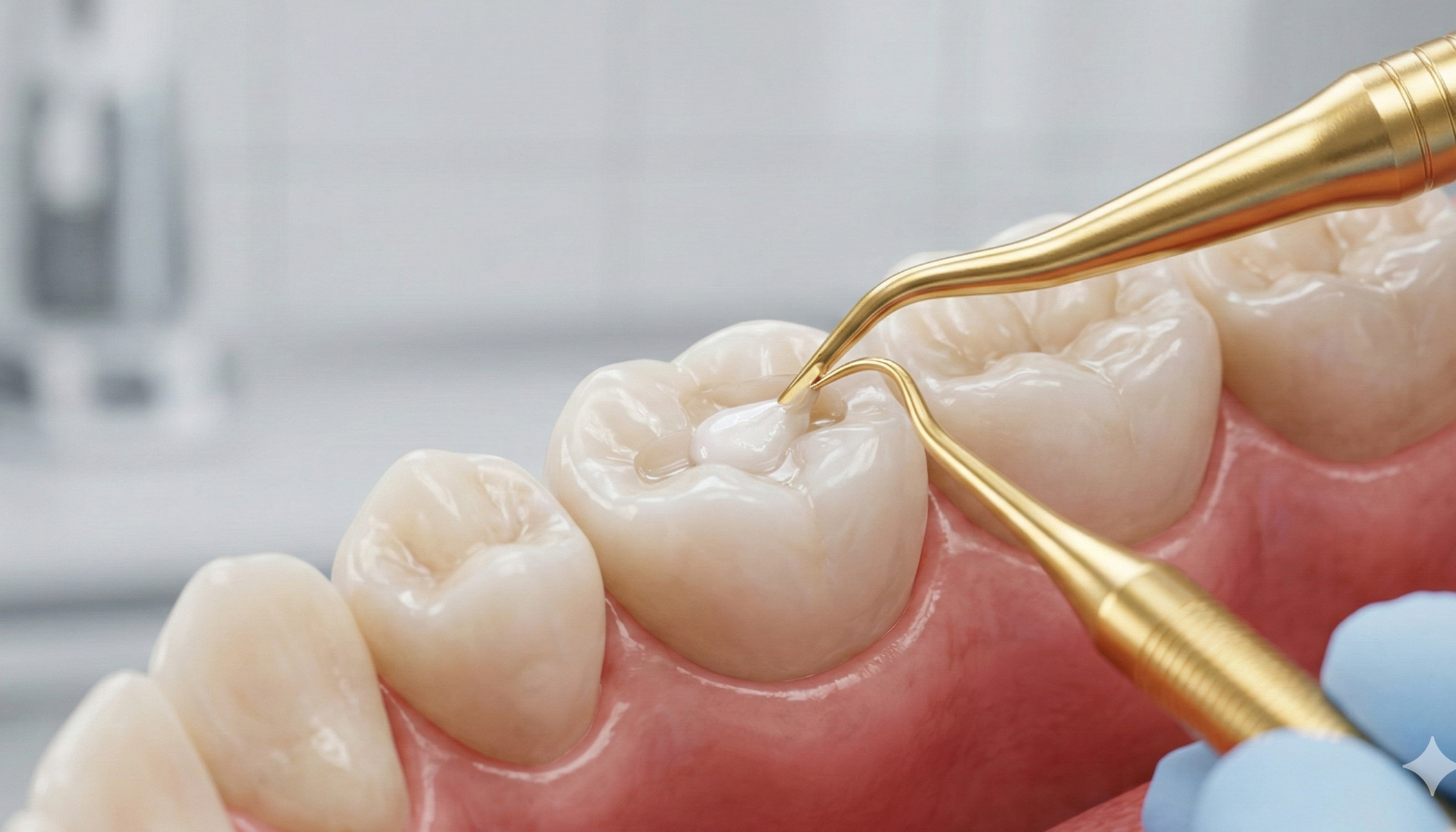
- Gingivitis is the mildest and most common form of gum disease. At this stage, the inflammation is confined to the gum tissue itself and has not yet affected the underlying bone. Common signs include:
- Gums that bleed when brushing or flossing
- Red, swollen, or tender gum tissue
- Persistent bad breath that does not resolve with brushing
- Gums that appear to be pulling away from the teeth
- The good news is that gingivitis is entirely reversible with professional treatment and improved home care. However, if left unaddressed, gingivitis will progress to periodontitis.
Periodontitis — Advanced Gum Disease
- Periodontitis occurs when the bacterial infection spreads below the gum line, causing the destruction of the periodontal ligament and the bone supporting the teeth. Pockets form between the teeth and gums, providing a protected environment where bacteria thrive, accelerating the damage further. At this stage, the condition is no longer reversible, but it can be effectively stabilised and managed with appropriate professional treatment. Signs of periodontitis include:
- Visibly receding gums, making teeth appear longer than usual
- Persistent or worsening bad breath
- Loose or shifting teeth
- Sensitivity along the gum line
- Pain when chewing
- Pus between the teeth and gums
Your Gums and Your Overall Wellbeing
- Research over the past two decades has established a clear and significant link between periodontal disease and a range of systemic health conditions. The chronic inflammation associated with advanced gum disease has been associated with an increased risk of:
- Cardiovascular disease — including heart attack and stroke
- Type 2 diabetes — gum disease can make blood sugar levels harder to control, and diabetes in turn makes gum disease more difficult to manage
- Respiratory conditions — bacteria from the mouth can be aspirated into the lungs, contributing to conditions such as pneumonia
- Adverse pregnancy outcomes — including premature birth and low birth weight
- This means that treating and maintaining gum health is not simply about protecting your teeth, it is about protecting your wider health. At Park Avenue Dental Care, we take periodontal health extremely seriously and make gum assessment a routine part of every examination appointment.
Our Periodontal Services
-
Periodontal Assessment & Charting
A thorough periodontal assessment is carried out as part of every routine examination at Park Avenue Dental Care. Using a fine periodontal probe, our clinicians carefully measure the depth of the pockets between your teeth and gums at multiple points around each tooth, recording any areas of bleeding, recession, or bone loss. This detailed charting gives us a precise picture of your current gum health and allows us to track any changes over time with accuracy. -
Professional Hygiene & Supragingival Cleaning
For patients in the early stages of gum disease, a thorough professional clean above the gum line combined with targeted oral hygiene instruction can be sufficient to halt the progression of gingivitis and restore gum health. Our clinical team will guide you through the most effective brushing and interdental cleaning techniques for your individual needs, empowering you to take control of your gum health between appointments. -
Root Surface Debridement (Deep Cleaning)
For patients with established periodontitis, a more intensive professional treatment is required. Root surface debridement, sometimes referred to as deep cleaning or scaling and root planing involves the careful removal of plaque, calculus, and bacterial toxins from the root surfaces of the teeth below the gum line, within the periodontal pockets.
This procedure is typically carried out under local anaesthesia to ensure complete comfort throughout. It is the most clinically effective non-surgical treatment available for periodontitis, disrupting the bacterial environment within the pockets and allowing the gum tissue to heal and reattach to the tooth surface. -
Periodontal Maintenance & Supportive Care
Following active periodontal treatment, long-term maintenance is essential to prevent disease recurrence. We will place you on a tailored supportive periodontal therapy programme with recall appointments scheduled at intervals appropriate to your individual risk level to monitor your gum health, reinforce home care habits, and carry out professional cleaning as required. Consistent, ongoing maintenance is the single most important factor in keeping periodontal disease under control in the long term. -
Referral for Specialist Periodontal Treatment
In cases of particularly complex or advanced periodontitis, we may recommend referral to a specialist periodontist for surgical intervention. We maintain strong professional relationships with specialist colleagues and will always ensure any referral is managed smoothly, with full communication between all parties involved in your care.
Risk Factors for Gum Disease
- While gum disease can affect anyone, certain factors significantly increase susceptibility. Understanding your risk profile allows us to tailor your care accordingly.
- Key risk factors include:
-
Smoking and tobacco use
One of the most significant risk factors for periodontitis, and one that also masks early warning signs such as bleeding gums -
Diabetes
Particularly where blood sugar levels are poorly controlled -
Genetic predisposition
Some individuals are inherently more susceptible to periodontal disease regardless of their oral hygiene habits -
Hormonal changes
Pregnancy, puberty, and the menopause can all increase gum sensitivity and susceptibility to inflammation -
Certain medications
Including some blood pressure medications, anticonvulsants, and immunosuppressants -
Stress
which can impair the immune system's ability to fight infection -
Poor Nutrition
Particularly deficiencies in Vitamin C - If any of these risk factors apply to you, please mention them at your appointment so we can ensure your care plan takes full account of your individual circumstances.
What to Expect at Your Appointment
- We understand that gum disease can feel like a sensitive or even embarrassing topic, but please be reassured that our team is completely non-judgemental. Gum disease is extremely common, and the most important thing is that it is identified and addressed as early as possible.
- At your first periodontal appointment, we will:
- Carry out a full periodontal assessment and charting
- Take any necessary X-rays to assess bone levels
- Discuss our findings with you clearly and honestly
- Outline a personalised treatment plan with full cost transparency
- Answer every question you have before any treatment begins
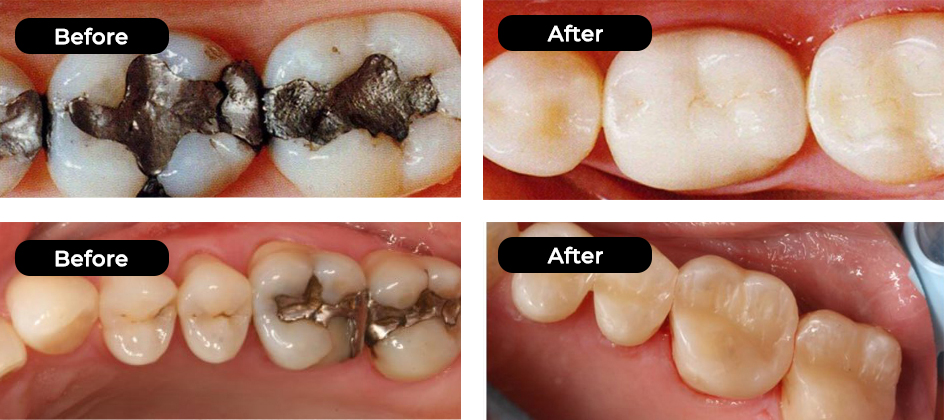
Smile Makeovers & Health Success Stories
Complete Dental Care Under One Roof
My gums bleed when I brush — is that normal?
Bleeding gums are never normal, and should never be ignored. Bleeding is the most common early sign of gingivitis and is a signal that professional attention is needed. The good news is that at this stage, the condition is entirely reversible with prompt treatment and improved home care.
Can gum disease be cured?
Gingivitis — the early stage — is completely reversible with professional treatment and good home care. More advanced periodontitis cannot be cured, but it can be very effectively stabilised and managed through professional treatment and ongoing maintenance, preventing further progression and protecting your teeth for the long term.
Is deep cleaning painful?
Root surface debridement is carried out under local anaesthesia, so the procedure itself should be entirely comfortable. Some patients experience mild tenderness and sensitivity in the days following treatment, which typically resolves quickly and can be managed with over-the-counter pain relief.
How long does periodontal treatment take?
This depends on the severity of the condition. Mild cases may require only one or two professional hygiene appointments alongside improved home care. More advanced cases typically involve a course of root surface debridement appointments — usually four sessions, each treating a quarter of the mouth, followed by a reassessment appointment six to eight weeks later.
Will I lose my teeth if I have gum disease?
Not necessarily — and not if the condition is identified and treated in a timely manner. With appropriate professional treatment and a commitment to long-term maintenance, the vast majority of patients with periodontal disease are able to retain their natural teeth for many years. The key is early intervention and consistent ongoing care.
Is periodontal treatment available on the NHS?
Yes. Periodontal assessment and non-surgical treatment including root surface debridement are available under NHS dental charges. Our team will always outline both NHS and private options clearly before any treatment begins.
Don't Ignore the Signs — Your Gums Are Telling You Something