Paediatric Dentistry
How Can We Help
We provide expert dental care, ensuring healthy, bright, and confident.
Working Hours
Monday - Friday
9:00AM - 5:00PM*
Saturday & Sunday
Closed
* Lunch break: 1:00PM - 1:30PM
Great Dental Health Starts in Childhood
- The habits and experiences children form around dental care in their early years have a profound and lasting impact on their oral health throughout life. At Park Avenue Dental Care, we understand that a child's first visit to the dentist sets the tone for everything that follows — and we are committed to making every appointment a positive, relaxed, and enjoyable experience from the very start.
- Our team is experienced in working with children of all ages and temperaments — from toddlers attending their very first check-up to teenagers requiring more advanced care. We take the time to explain everything in a way that is age-appropriate, unhurried, and free from any pressure, helping young patients feel safe, understood, and genuinely at ease in our care.
When Should My Child First Visit the Dentist?
- Current guidance from dental health organisations recommends that children attend their first dental appointment as soon as their first tooth appears typically around six months of age or no later than their first birthday. While this may seem very early, these initial visits serve an important purpose beyond clinical assessment.
- Introducing children to the dental environment at an early age, even for a brief, informal visit normalises the experience and removes the anxiety that can develop when a first visit only happens in response to a problem. At Park Avenue Dental Care, we warmly welcome babies and toddlers and our team will put both children and parents completely at ease from the very first appointment.
Our Paediatric Dental Services
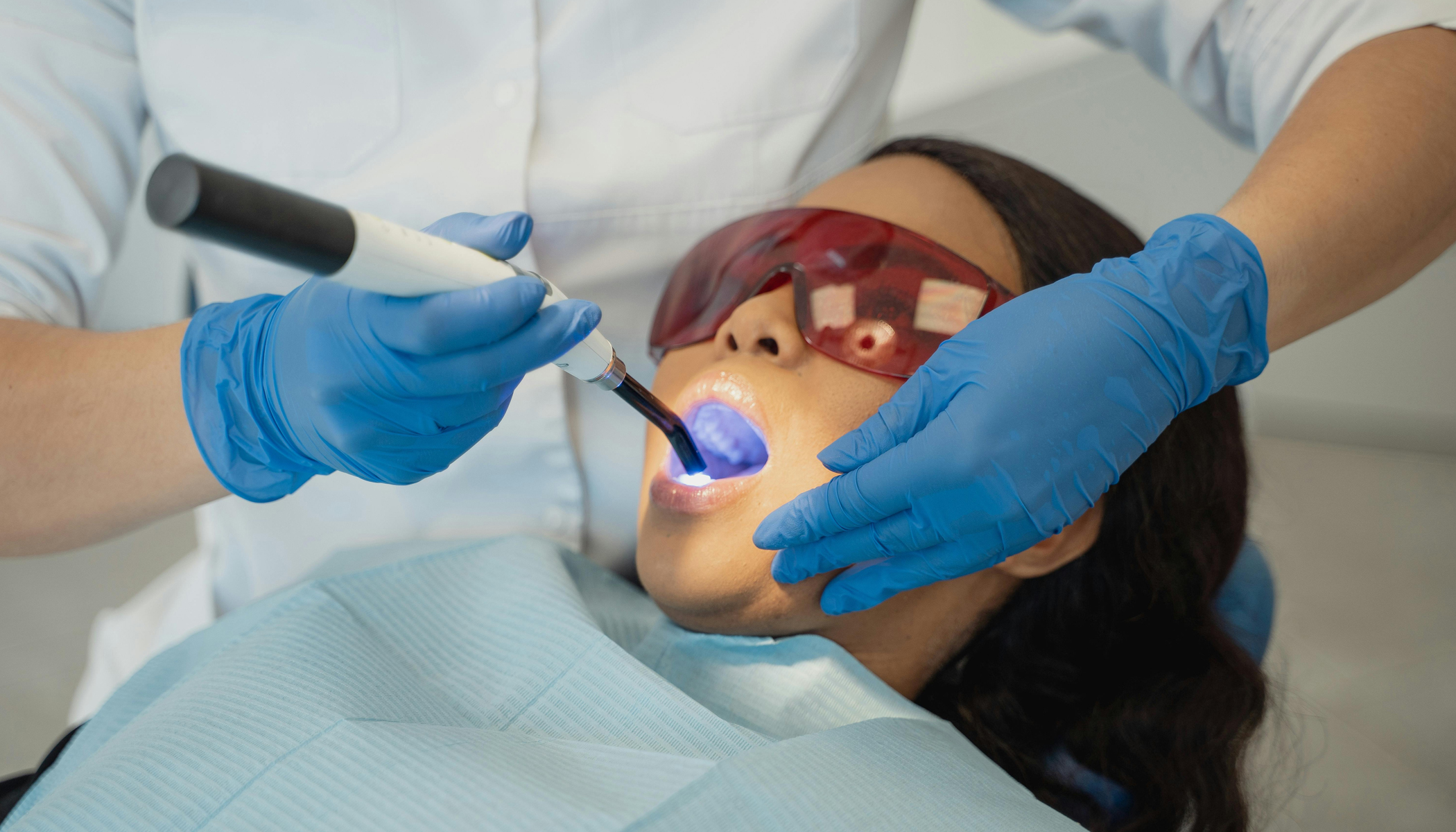
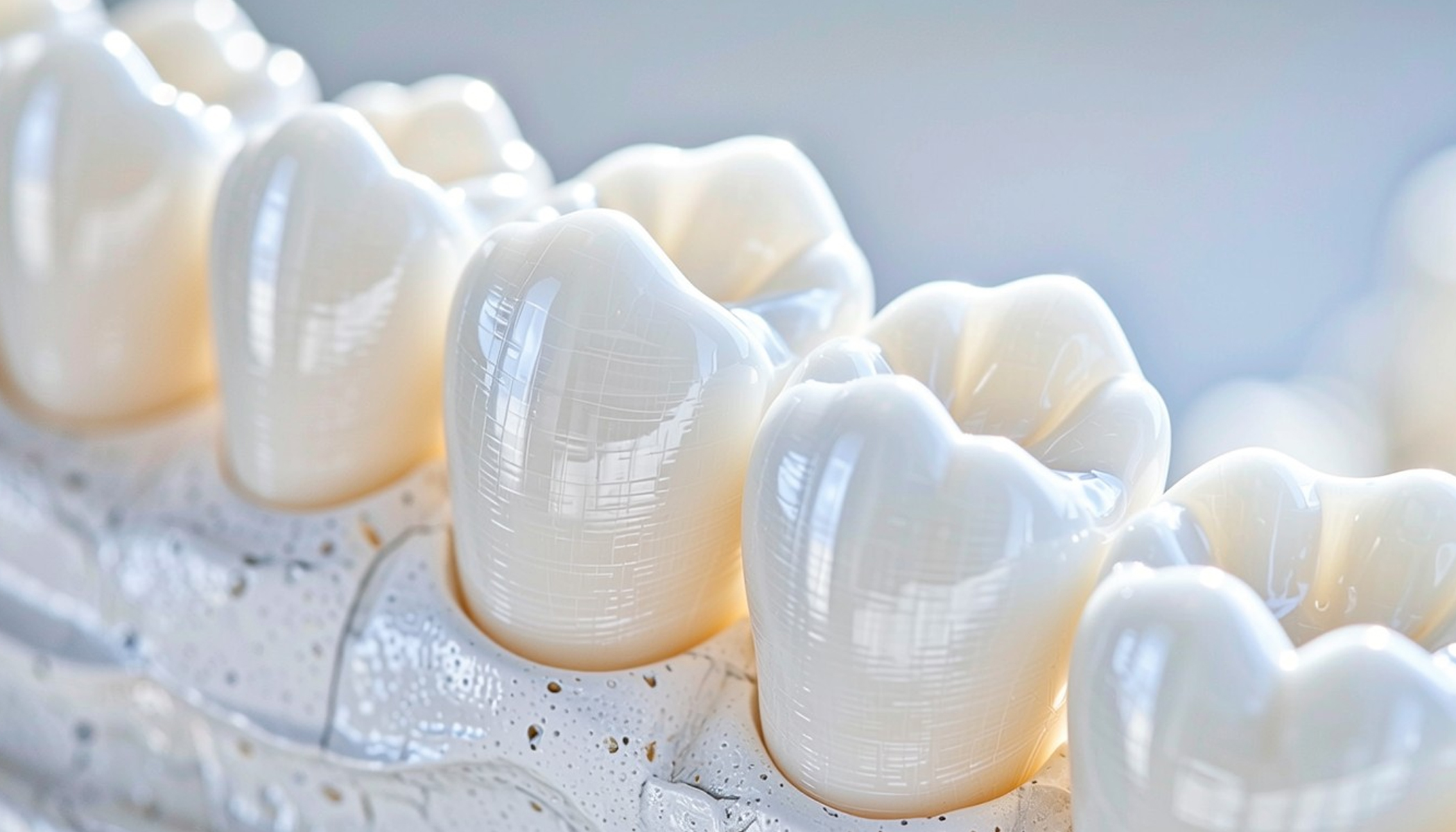
- From the first milk tooth to the last adult tooth, our paediatric services are designed to support your child's oral health at every stage of their development.
Why Patients Choose Composite Bonding:
- Children's Routine Examinations: Walk in with an imperfection, walk out with a transformed smile — all within one visitA friendly, thorough check-up tailored to your child's age and development. We assess the health and position of erupting teeth, monitor jaw and bite development, check for early signs of decay, and provide personalised advice to parents and carers on home care routines, diet, and oral hygiene habits suited to your child's stage.
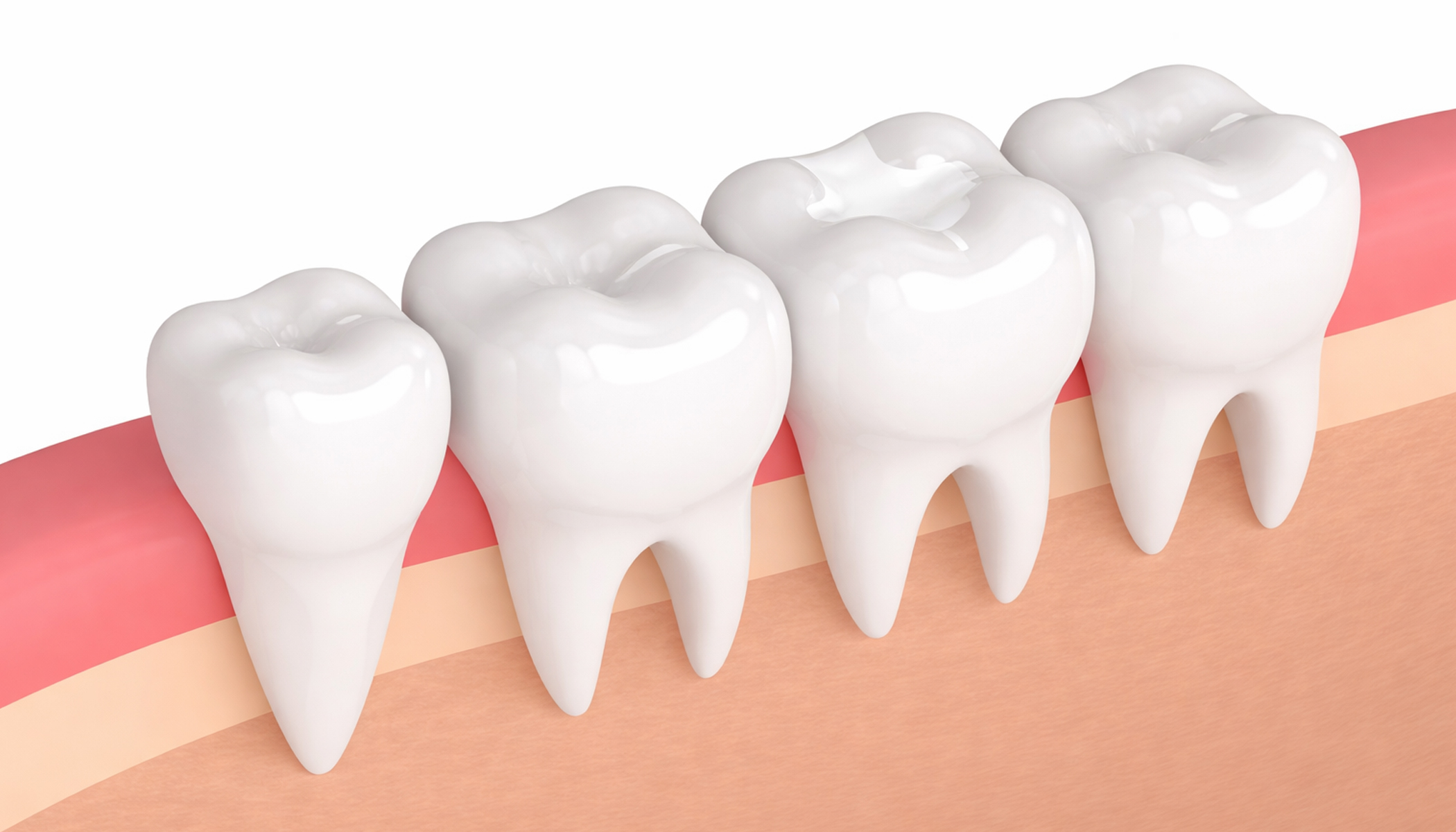
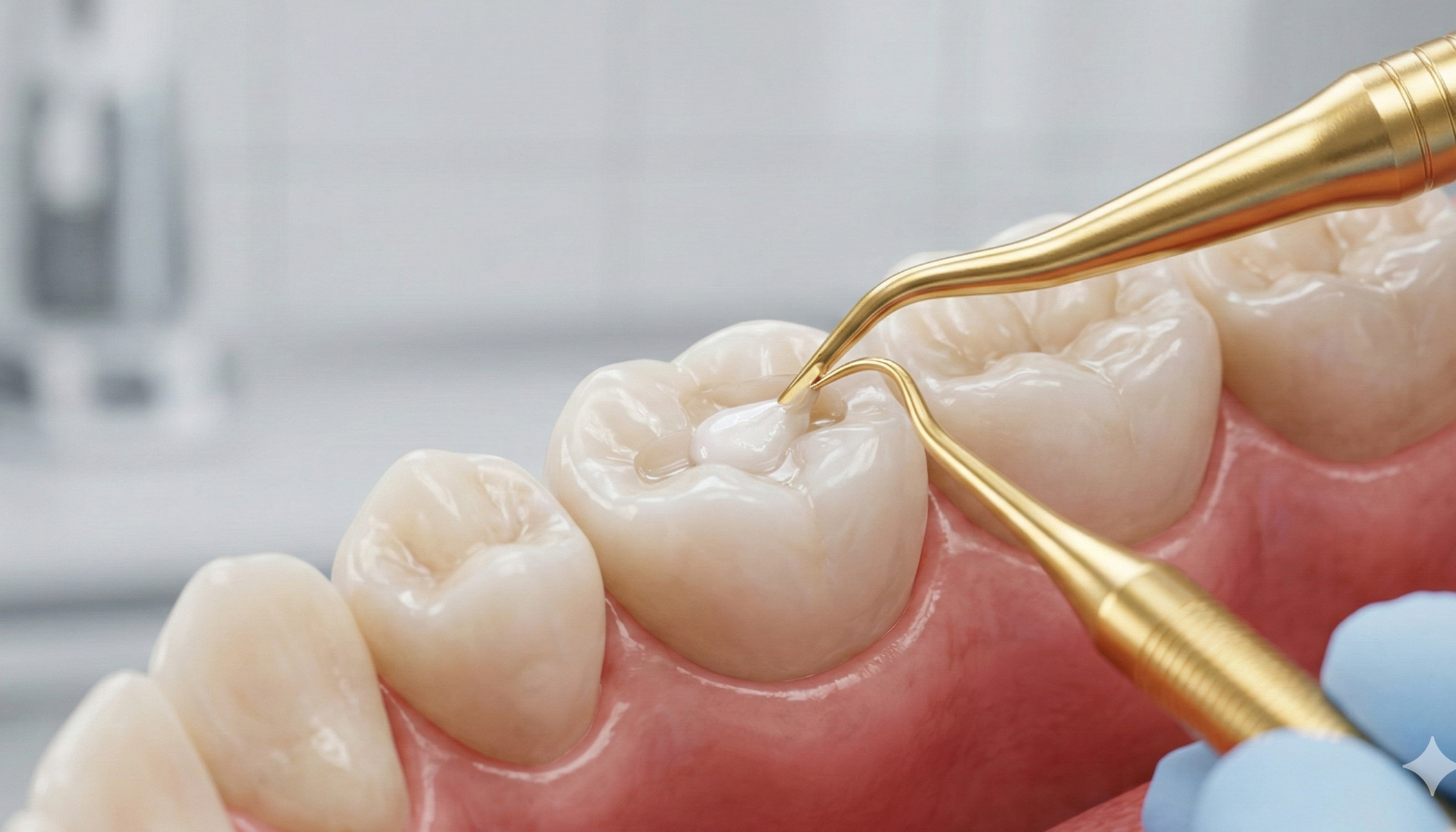
- Fissure Sealants: The deep grooves on the biting surfaces of back teeth are particularly difficult for children to clean effectively, making them highly susceptible to decay. Fissure sealants are a quick, completely painless protective coating applied to these surfaces — creating a smooth, easy-to-clean barrier that significantly reduces the risk of cavities developing in some of the most vulnerable areas of your child's mouth.
- Fluoride Varnish ApplicationsFluoride varnish is one of the most clinically proven and effective tools available for protecting children's teeth against decay. Applied to the tooth surface in a matter of minutes during a routine appointment, fluoride varnish strengthens developing enamel and dramatically reduces the risk of cavities — particularly in children who may be more prone to decay due to diet or tooth structure.
- Dietary & Oral Hygiene Guidance:Diet plays a central role in children's dental health, and the guidance we provide goes beyond simply advising on sugar reduction. We offer practical, realistic advice on meal and snack timing, drink choices, and the most effective brushing techniques for different age groups — helping parents and carers build routines that genuinely protect their child's teeth between appointments.
- Early Orthodontic Monitoring: As children grow, we keep a close eye on the developing position of their teeth and jaw alignment. Identifying potential orthodontic concerns early — before all adult teeth have fully erupted — allows for timely intervention that is often simpler, more effective, and less disruptive than treatment carried out later. If we identify a concern, we will discuss all available options clearly and refer appropriately where required.
- Management of Dental Anxiety in Children: Dental anxiety in children is entirely normal — and something our team is highly experienced in addressing. We use a calm, reassuring approach with every young patient, taking as much time as needed to build trust before any treatment begins. Our practice environment has been designed to feel welcoming rather than clinical, and we never rush or pressurise children during their appointments.
- Emergency Dental Care for Children: Accidents happen — and when they involve a child's teeth, prompt attention is important. Whether your child has chipped a tooth, suffered a knock, or is experiencing toothache, our team will always do their best to see young patients as quickly as possible. Please call us straight away and we will advise you on the appropriate next steps.
Caring for Baby Teeth
- A common misconception is that baby teeth — because they will eventually fall out, are of lesser importance than adult teeth. In fact, the health of your child's primary (baby) teeth has a direct impact on the development and positioning of their permanent adult teeth as well as on their ability to eat, speak, and develop normally.
- Decay in baby teeth can cause significant pain and infection, and if a baby tooth is lost prematurely, the surrounding teeth can shift — potentially causing crowding and alignment issues as adult teeth erupt. Protecting your child's baby teeth through regular dental care and good home hygiene routines is one of the most important investments you can make in their long-term oral health.
Tips for Parents
- Start brushing early: Begin cleaning your baby's gums with a soft cloth even before the first tooth appears, and introduce a baby toothbrush as soon as the first tooth erupts.
- Use the right toothpaste: Children under three should use a smear of fluoride toothpaste containing at least 1,000ppm fluoride. Children aged three and above should use a pea-sized amount.
- Brush twice daily: Morning and last thing at night — and supervise brushing until your child is around seven or eight years old.
- Watch what they drink: Fruit juices, squashes, and fizzy drinks — even those marketed as healthy — are a leading cause of childhood tooth decay. Water and milk are always the best choices between mealtimes.
- Lead by example: Children who see their parents brushing regularly and attending dental appointments are far more likely to adopt the same positive habits themselves.
A Practice Your Child Will Love
- At Park Avenue Dental Care, we genuinely enjoy working with younger patients. We believe that a child who feels comfortable and safe at the dentist is far more likely to maintain good dental health throughout their life, and we take enormous pride in the relationships we build with our youngest patients and their families over the years.
- Our brand-new, purpose-built practice is bright, modern, and welcoming — a far cry from the dental surgeries of a generation ago. We have created an environment where children can feel at ease from the moment they walk through the door.
Smile Makeovers & Health Success Stories
Complete Dental Care Under One Roof
My child is scared of the dentist. What should I do?
Please let us know before the appointment so we can plan accordingly. We are very experienced in supporting nervous children and will take as much time as needed to help your child feel comfortable. In some cases, an initial visit simply to see the practice and meet the team — with no treatment involved — can make a significant difference.
How often should my child attend for check-ups?
We recommend routine check-ups twice a year for most children, though this may vary depending on individual risk factors such as diet, oral hygiene, and history of decay. Your dentist will advise on the most appropriate recall interval for your child at each appointment.
Are children's dental treatments available on the NHS?
Yes. All dental treatment for patients under the age of 18 is available free of charge under the NHS. We will always be clear about what is covered and what is not before any treatment begins.
What should I do if my child knocks out a tooth?
If a permanent (adult) tooth is knocked out, keep it moist — ideally by placing it back in the socket or storing it in milk — and contact us immediately. Time is critical in these cases. If a baby tooth is knocked out, do not attempt to reinsert it, but contact us for advice and to arrange an assessment.
When should my child start using mouthwash?
Fluoride mouthwash can be a useful addition to the oral hygiene routine of children aged six and over — but it should always be used at a different time to brushing, not immediately after, to maximise the fluoride benefit from toothpaste. We do not recommend mouthwash for children under six.
Give your Child the Best Start for their Smile